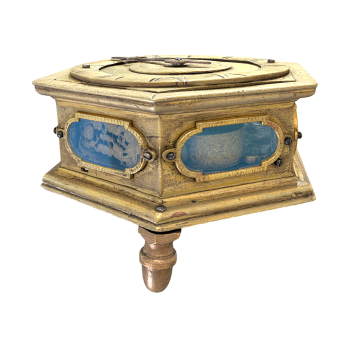
South Indian Religious Cultural Heritage Sumerskanda Statue
A statue of Sumo Scanda (Somaskanda), dated from about the 14th to 15th centuries AD. "Sumoskanda" is a religious scene in Hindu mythology that depicts the image of Shiva (Shiva) together with the goddess Parvati (Parvati) and their child Skanda (also known as Murugan Murugan). This scene usually symbolizes the harmony and divine strength of the family. In such statues, Shiva and Parvati sit in the center, showing majesty and solemnity, while Skanda stands in the center or near between the two as their children.

Classical Indian period igneous statue "Yoga goddess holding a jar (Yogini with a jar)"
The statue is known as the "Yoga goddess holding a jar" and was made during the classical Indian period in the early 10th century AD. In the Indian subcontinent and many indigenous beliefs, the goddess is seen as the embodiment of life-giving energy. The goddess known here as yoga gracefully demonstrates complete control over the body. She holds a jar in her hand that may contain drugs, demonstrating her healing powers. Her now fractured left lower limb used to hold a skull cup for drinking. The sculpture was once enshrined in a circular open-air temple, along with at least 15 other goddesses, each believed to have unique powers, and is now in the collection of the Minneapolis Museum of Art.

Popular Models


Honey Badger (3D animated model)
192 View

Guinea fowl (3D animated model)
163 View

Wild Goose (3D animated model)
185 View

Red Fox (3D animated model)
153 View
Random Model

Earth 3D Animation Model
1618 View

Catonwood Heights Paper Mill, Utah
956 View




Porsche 911 with interior design
1236 View